
Pantomime Comedy: How to Make It Work
The comedy in pantomime is probably the thing people underestimate most. It looks deceptively simple from the audience, the Dame trips over, the villain gets a custard pie, the comic duo argue about something completely irrelevant, and the audience laughs, as if by magic. What they don't see is how much thought and rehearsal went into making it look that easy. Unearned comedy doesn't land. Forced comedy actively makes things worse. And the instinct to ‘play funny,’ which kicks in reliably when an actor knows they've been cast in a comic role, is one of the most reliable ways to accidentally kill a joke. Your panto script has the comedy quite literally on paper, so it’s your job to bring it to life in the best way possible.
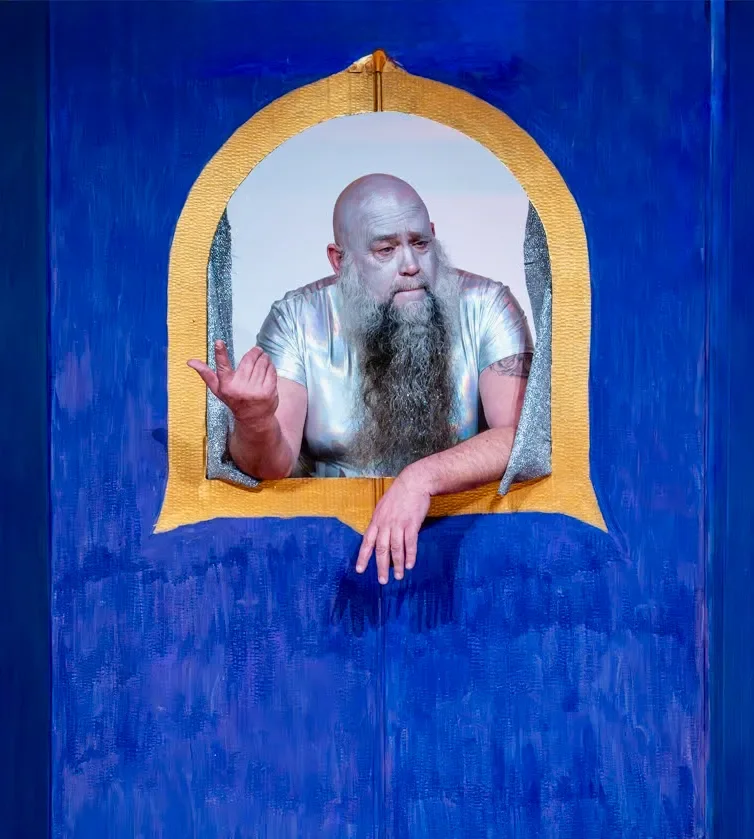
Resist the Urge to Signal the Joke
The most common mistake I see with comedy casting is the actor who decides their character requires a comedy voice, a comedy walk, a comedy facial expression, and preferably all three simultaneously. The logic is understandable: this is a funny character, so I should be funny. The problem is that all those signals tell the audience ‘this is the part where you're supposed to laugh’ rather than actually being funny.
Most comedy works because it has an element of truth in it. The Dame's relationship with the audience works because, underneath the wig and the outrageous costume, there's a real person responding honestly to a strange situation. When the comic business piles on top of that, the accent, the voice, the wink, the nod, it can bury the actual joke under a layer of performance that the audience has to push through to find the funny part.
Look at performers you admire and notice what they're not doing. The best comic performers are often the ones doing the least. They let the writing land, they trust the situation and they don't tip the audience off in advance.
Casting Comedy Is a Separate Skill
Not everyone has funny bones, and knowing who does is one of the most useful skills a director can develop. Some performers can make an audience laugh just by walking on stage; others work harder and get fewer results. Neither is a question of talent or commitment, comedy is a specific kind of timing and instinct that's unevenly distributed, and there's no shame in that.
When casting comic roles, look for performers who can keep a straight face under pressure. This is, counterintuitively, more valuable than a performer who laughs easily and expressively at their own material. Pantomime comedy often depends on one character responding with complete sincerity to something ridiculous, while the other does the gags. If the ‘straight-man’ cracks, the joke deflates. The funniest thing in the room is frequently the person not laughing.
Put the right people in the right places. A performer who is naturally funny in a smaller role will do more for the show than a performer who is trying very hard to be funny in a bigger one.
Rehearse Where the Laughs Happen
Comedy routines need to be rehearsed until the performers are completely completely comfortable with the rhythm of the material, comfortable with what they're doing and with where the audience is likely to respond, and how to handle it when they do.
Audiences are unpredictable, and a laugh in an unexpected place can throw a performer who isn't prepared for it. If someone gets a bigger reaction than expected to a line and panics, they may speak over the laugh or rush through it, which cuts it off just as it builds. If they wait too long, the energy drops. Learning to ride a laugh, pausing just long enough, staying in character, picking up the next line at exactly the right moment, is itself a skill that takes rehearsal.
The flip side is that if a moment that should get a laugh doesn't, performers need to know how to move through it without telegraphing that anything went wrong. The audience doesn't know what they were supposed to find funny. But they do notice when a performer is visibly disappointed.
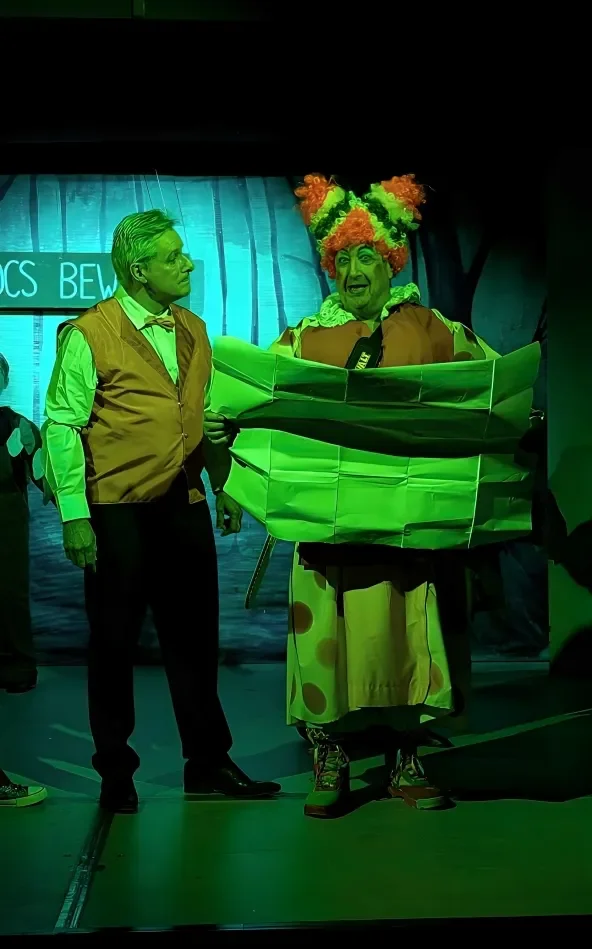
It's Only a Mistake If They Notice
Mistakes in live theatre are inevitable. A fluffed line, a dropped prop, a missed entrance, these things happen, and they'll happen in performance no matter how thoroughly you've rehearsed. The question is how performers respond when they do.
The audience sees your show for the first time on the night and haven’t read the script! They don't know you were supposed to be standing two feet to the left, or that you got the second and third paragraphs of the speech in the wrong order, or that the costume change was supposed to be faster. What they see is what they get, and if performers respond to mistakes with confidence and composure, most of the audience will never know anything went wrong.
The rule I'd offer is that a mistake only matters if the audience notices, and the audience only notices if you tell them. Don't stop. Don't break character. Don't look apologetically at the wings. Get back on track as cleanly and quickly as possible and keep going. The audience is on your side.
If you'd like to see how the comedy in our scripts is written (the Dame business, the running gags, the comic routines), you can request a free Perusal Script and have a read. We've got scripts for all kinds of casts and company sizes.
If you’ve got questions, please visit our home page, which has plenty of helpful links, check out our Frequently Asked Questions, or Contact Us.